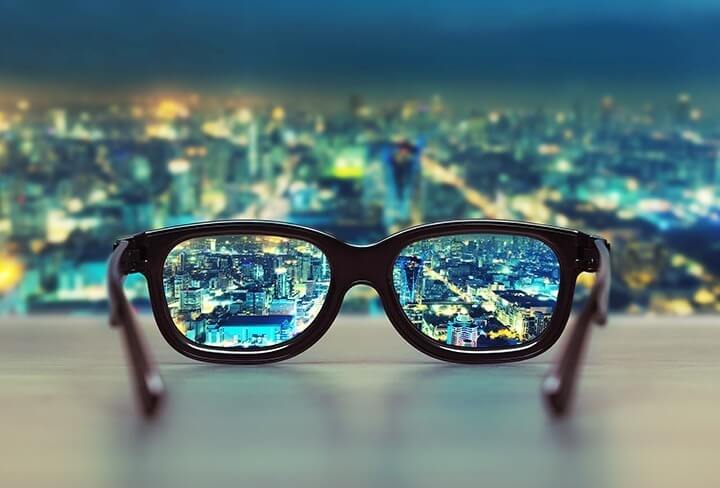
Since the beginning of the pandemic, I have noticed that the virus, like an invisible detective in the world, brings to the surface many social, political and economic issues in every country that were there before, but are now more condensed and visible in my view. We can take a look. Not only at the virus, the infection process, its spread or containment, many of the theories, but also at all the secondary locations it reveals as well as social behavior forms or norms and ourselves. My summary.
It shows us that we choose to look for solutions on a national level instead of collaborating together.
It shows us that even the richest countries in the world lacked the minimum level of protective equipment.
It shows us how fragile the dependencies of the global value chain can be.
It shows us our ambivalent relationship with the elderly, whom we now protect and have previously forgotten socially.
It shows us that we tend to easily neglect children in society.
It shows us how quickly governments can act.
It shows us how autocratic systems used the cover of health issues to expand their power.
It shows us that populists lose their enemy images (over a certain time period).
It shows us how quickly we adopt behaviors to new norms.
It shows us how flexible we can suddenly organize certain work processes.
It shows us how much established routines keep us from finding solutions.
It shows us that a health system based on cost cutting and profit quickly reaches its limits and can cost lives.
It shows us that the lack of social and health safety nets has serious social consequences.
It shows us how much we wish for simple and linear explanations.
It shows us how laypersons become knowledgeable experts to correct others in their behavior.
It shows us how we are quick to place blame on others to avoid responsibility or avoid critically examining ourselves.
It shows us that complex questions cannot have simple answers.
It shows us that we know little and can live with that not knowing.
It shows us that we cannot totally escape the virus and that full control in life is illusory.
It shows us the grievances in various industries and draws our attention to them repeatedly.
It shows us which production and poor working conditions we actively support withour convenient consumption.
It shows us how much we are used to identifying and treating symptoms, rather than avoiding them in the long run.
It shows us that prevention and maintaining our health receive little attention.
It shows us that the permanent human intervention in natural habitats affects us.
It shows us that air pollution can have a negative impact on the course of disease.
It shows us which health conditions pose a higher risk for those affected.
It shows us that many of our lifestyle choices contribute to many of these conditions.
It shows us that social inequality and poverty can promote disease.
It shows us the threatening effects foregoing standstill and quietude can have on us.
It shows us how much the silence strengthened our awareness for nature in the short term.
It shows us how much the inner fear of illness and loss drives us.
It shows us that we assume longevity and deny death as part of life.
It shows us how unstable our social resilience can be in crises.
It shows us how irrationally we act when fear and panic overwhelm us.
It shows us how important it is to pay attention to others and what positive effects it can have.
It shows us that we will take care of our colds at home to protect ourselves and others.
It shows us how pleasant it is to not feel the shopping cart of the person behind you in your heels.
It shows us that for some people, distance is a pleasant change to forced closeness.
It shows us that for some, quarantine was a welcome form of avoiding social obligations.
It shows us how little we commit to ourselves and deny our needs to comply with social rules.
It shows us that everything that comes to the surface was there before.
It shows us that we stopped the world for the first time for a superior goal.
It shows us what is possible in extreme cases.
It shows us that we still consider environmental and climate issues to be less of a threat.
It shows us that we are longing for the “old normal”.
It shows us that while we were thinking and worrying about the future, life went on.
Cologne, June 24th 2020
Ein Virus deckt auf – Teil 2
Mir fällt seit Beginn der Pandemie auf, dass das Virus wie ein unsichtbarer Detektiv in der Welt viele gesellschaftliche, politische und wirtschaftliche Themen in jedem Land an die Oberfläche bringt, die schon vorher da waren, nun jedoch aus meiner Sicht kompakter sichtbar sind. Wir können hinschauen. Nicht nur auf ein Virus, das Infektionsgeschehen, seine Ausbreitung oder Eindämmung, die vielen Theorien, sondern auch auf alle Nebenschauplätze sowie soziale Verhaltensformen und – normen und uns selbst. Meine Zusammenfassung.
Es zeigt uns, dass wir die Lösungen auf Nationalstaatenebene suchen, statt in der Kooperation.
Es zeigt uns, dass selbst den reichsten Ländern der Welt das Mindestmaß an Schutzausrüstung fehlte.
Es zeigt uns, wie fragil die Abhängigkeitsstrukturen der globalen Wertschöpfungskette sein können.
Es zeigt uns unser ambivalente Verhältnis zu Älteren, die wir nun schützen und bisher weniger beachteten.
Es zeigt uns, dass wir bereit sind die Kinder in der Gesellschaft schnell zu vernachlässigen.
Es zeigt uns, wie schnell Regierungen auch handlungsfähig sein können.
Es zeigt uns, wie autokratische Systeme den Deckmantel der Gesundheit für den Ausbau ihrer Macht nutzen.
Es zeigt uns, dass Populisten ihre Feindbilder (für eine Zeit) abhanden kommen.
Es zeigt uns, wie schnell wir Verhaltensweisen als neue Normen annehmen.
Es zeigt uns, wie viel flexibler wir bestimmte Arbeitsprozesse organisieren können.
Es zeigt uns, wie sehr uns eingespielte Routinen von Lösungsideen abhalten.
Es zeigt uns, dass ein auf Sparsamkeit und Profit aufgebautes Gesundheitssystem schnell an seine Grenzen geraten und Leben kosten kann.
Es zeigt uns, was das Fehlen sozialer Sicherungssysteme für gravierende gesellschaftliche Folgen hat.
Es zeigt uns, wie sehr wir uns einfache und leicht nachvollziehbare Erklärungsmodelle wünschen.
Es zeigt uns, wie Laien zu wissenden Experten werden und andere in ihrem Verhalten zurechtweisen.
Es zeigt uns, wie schnell wir einzelne Schuldige finden, um uns selbst aus der Verantwortung zu ziehen oder auf uns zu schauen.
Es zeigt uns, wie viel Wut wir in uns tragen und wie wir diese im Außen ausleben, statt sie zu heilen.
Es zeigt uns, dass komplexe Fragestellungen keine einfachen Antworten haben können.
Es zeigt uns, dass wir wenig wissen und mit Unwissenheit lernen dürfen umzugehen.
Es zeigt uns, wie schnell sich ein Narrativ durchsetzen kann.
Es zeigt uns, dass wir einem Virus nicht entfliehen können.
Es zeigt uns, dass die komplette Kontrolle im Leben illusorisch ist.
Es zeigt uns die Missstände in Industrien auf und weist uns aufmerksam und wiederholt darauf hin.
Es zeigt uns, welche Produktions- und Arbeitsbedingungen wir für unseren bequemen Konsum aktiv unterstützen.
Es zeigt uns, wie sehr wir daran gewöhnt sind, auf Symptome zu schauen, sie dann zu behandeln, statt sie langfristig auch zu vermeiden.
Es zeigt uns, dass wir Prävention und Gesunderhaltung wenig Beachtung schenken.
Es zeigt uns, dass der dauerhafte Eingriff des Menschen in natürliche Lebensräume uns selbst trifft.
Es zeigt uns, dass unsere Luftverschmutzungen Krankheitsverläufe negativ beeinflussen können.
Es zeigt uns, welche Krankheitsbilder bei Betroffenen eine höhere Gefahr mit sich bringen.
Es zeigt uns, dass wir selbst durch unsere Lebensweise viele dieser Krankheitsbilder mit begünstigen.
Es zeigt uns, dass soziale Ungleichheit und Armut Krankheiten fördern können.
Es zeigt uns, wie bedrohlich Verzicht, Stillstand und Ruhe auf uns wirken können.
Es zeigt uns, wie sehr die Stille jedoch auch kurzfristig unser Bewusstsein für die Natur stärkte.
Es zeigt uns, wie sehr uns die Angst vor Krankheit und Verlust treibt.
Es zeigt uns, dass wir Langlebigkeit voraussetzen und den Tod als Teil des Lebens leugnen.
Es zeigt uns, wie labil unsere gesellschaftliche Resilienz in Krisen sein kann.
Es zeigt uns, wie irrational wir handeln, wenn Angst und Panik uns überkommt.
Es zeigt uns, wie wichtig es ist, auf andere zu achten und welchen positiven Effekt es haben kann.
Es zeigt uns, dass wir unsere Erkältung auch zukünftig Zuhause auskurieren, um uns selbst und andere zu schützen.
Es zeigt uns, wie angenehm es ist, den Einkaufswagen vom Hintermann nicht mehr in den Hacken zu spüren.
Es zeigt uns, dass für manche Menschen Distanz angenehmer als aufgezwungene Nähe ist.
Es zeigt uns, dass die Quarantäne für einige eine willkommene Abkehr gesellschaftlicher Verpflichtungen war.
Es zeigt uns, wie wenig wir zu uns selbst stehen und obiges für unser Leben selbstverständlich leben.
Es zeigt uns, dass vieles von dem, was nun an die Oberfläche kommt, schon vorher da war.
Es zeigt uns, dass wir erstmalig für ein übergeordnetes Ziel die Welt anhielten.
Es zeigt uns, was im Extremfall doch möglich ist.
Es zeigt uns viele Chancen für Veränderungen auf.
Es zeigt uns, dass wir Umwelt- und Klimathemen weiterhin als weniger bedrohlich ansehen.
Es zeigt uns, wir sehnen uns mehr nach der „alten Normalität“.
Es zeigt uns, dass während wir uns in Gedanken um die Zukunft vertieften, das Leben weiterging.
Köln, 24. Juni 2020